|
|
Last Modified on Nov 18, 2026
A criminal charge in Kings County moves fast. State law puts you in front of a judge within about two days of an arrest, and the choices you make in that first week often shape everything that follows.
Three things matter most right away:
- Stay quiet about the facts of the case.
- Get an experienced Kings County criminal defense lawyer involved before you answer more questions.
- Show up for every court date.
None of that is easy to manage alone, especially while you’re also worried about work, family, or a record that could follow you for years.
What Happens After an Arrest in Kings County
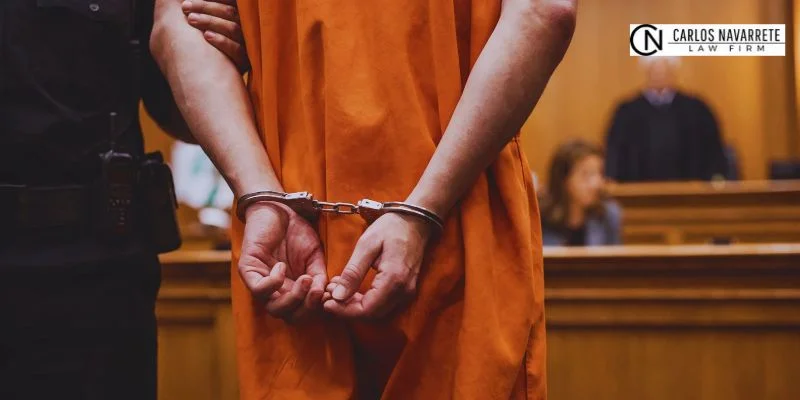
Once you’re arrested, your case moves into the Superior Court system, where a strict clock starts running on your rights. In Kings County, that court sits in Hanford. State law requires anyone held in custody to appear before a judge within 48 hours of arrest, excluding Sundays and court holidays. That first appearance is known as the arraignment.
The judge reads the charges, confirms you understand your rights, and asks for a plea. Most defense lawyers recommend a not guilty plea at this stage, since it preserves your options while your attorney reviews the evidence. If you’re released on bail before this hearing, the timeline can stretch to a week or longer.
How Bail and Release Work in Kings County
Bail here isn’t random. Every year, the Superior Court adopts countywide bail schedules that list a set amount for most offenses. The arresting agency can release you on that amount before you ever see a judge. At arraignment, the judge can raise the amount, lower it, or release you without payment, often called release on your own recognizance.
Judges weigh your ties to the community, your record, and the risk you won’t come back to court in Hanford. If the amount set feels impossible, your attorney can ask for a bail reduction hearing. That request works best when filed early, before you’ve spent unnecessary days in custody.
What Happens Between Arraignment and Trial
Most cases don’t jump straight from arraignment to trial. A few stages typically come first:
- Discovery, where the prosecution shares its evidence with your defense lawyer.
- Pretrial hearings, where both sides update the judge and may negotiate a resolution.
- A preliminary hearing for felony cases, where the district attorney must show enough evidence to justify a trial.
- A second arraignment in Superior Court if the judge finds enough evidence at that hearing.
California law generally requires a felony trial date within 60 days of your second arraignment in Superior Court, unless that right is waived. Many cases settle through a negotiated plea long before that deadline arrives, but knowing the clock is running gives your lawyer leverage at the table.
What If You Can’t Afford a Private Lawyer
The law guarantees a court-appointed lawyer at arraignment if you can’t pay for one, and Kings County fulfills that right through contracted public defender services. That attorney can still fight your case, file motions, and take it to trial.
If you’re weighing a public defender against hiring your own attorney, ask about caseload, available investigators, and how soon work can start on your file.
Carlos Navarrete spent 16 years as a Deputy District Attorney in Lake and Kings County before building his own defense practice. That background means he’s sat on the other side of the table in Hanford courtrooms and seen how local prosecutors size up a case.
Clearing Your Record After the Case Ends
A conviction doesn’t have to define your record forever. Once probation ends, California law lets many people petition the court to withdraw a guilty plea, enter a not guilty plea instead, and have the case dismissed. The record isn’t erased, but in most job and housing situations you can truthfully say the charge was dismissed.
Not every conviction qualifies, and the process still takes a petition and sometimes a hearing in front of the same judge who handled your original case. It’s worth asking a lawyer about eligibility even before your case resolves, so you aren’t starting from scratch later.
Checklist: What to Do in the First 48 Hours
These steps can make a real difference in the first hours after an arrest:
- Stay quiet about the facts of your case beyond giving your name. Anything more can end up as evidence later.
- Call a criminal defense attorney before you answer any more questions from police or investigators.
- Write down what you remember about the arrest while the details are fresh.
- Ask your attorney about bail or release on your own recognizance.
- Confirm your arraignment date and show up on time, since missing it can trigger a warrant.
Skipping any one of these steps can cost you leverage, and a missed court date almost always makes a case harder to resolve.
Frequently Asked Questions
Will I automatically go to jail if I’m charged with a crime in Kings County?
Not necessarily. Many people are cited, released on bail, or released on their own recognizance rather than held through the entire case. Whether you stay in custody depends on the offense, your record, and what the judge decides at arraignment, so ask your lawyer to raise release options as early as possible.
Can I travel outside Kings County while my case is pending?
It depends on your release conditions. Some defendants need court permission before traveling, especially out of state, and violating a travel restriction can lead to a bail revocation. Check your release order and ask your attorney before making any plans.
What’s the real difference between a misdemeanor and a felony charge?
A misdemeanor generally carries a maximum of one year in county jail, while a felony can mean state prison time and longer-lasting consequences on things like employment and firearm rights. The charge you face depends on the facts the district attorney believes it can prove, and that classification can sometimes be negotiated down.
What happens if I miss a scheduled court date?
Missing a court date usually triggers a bench warrant for your arrest and can mean losing any bail you posted. If you miss a date by accident, contact your attorney immediately, since addressing it quickly is far better than waiting to get picked up on the warrant.
Does a criminal charge show up on a background check right away?
Arrest and charge information often becomes part of the public record soon after booking, which means it can appear on background checks before your case is ever resolved. This is one reason getting charges reduced, dismissed, or resolved quickly matters beyond the courtroom itself.
Carlos Navarrete Law Firm: Your Kings County Criminal Defense Law Firm
Facing a criminal charge in Kings County means dealing with deadlines, paperwork, and a court system that doesn’t wait for you to catch up.
Cases here typically move through arraignment, bail review, and pretrial negotiation before anyone talks seriously about trial. Having the same attorney track your file through each of those stages could produce fewer surprises.
Carlos Navarrete and his small team have built continuity into how they handle cases in Kings and Tulare County courts, which means you’re not explaining your situation to a new face every time you call. Contact us today to talk through your case.